Project Overview
The complete story of the Triumph Spitfire EV conversion — from why it started, to what we chose, and where it’s going.
A Spitfire Body on GT6 Bones
The Triumph Spitfire was built from 1962 to 1980 — one of the quintessential British sports cars. Its Michelotti-designed body sits low and wide, with a long bonnet and compact cockpit that still turns heads today. But for this conversion we wanted something stronger underneath.
We mated the Spitfire body to a 1971 GT6 chassis — the GT6 shares the same basic platform but came with a stiffer frame, stronger front and rear springs, and a more robust differential. This gives the EV conversion a much better foundation for handling the extra torque and weight of the electric drivetrain.
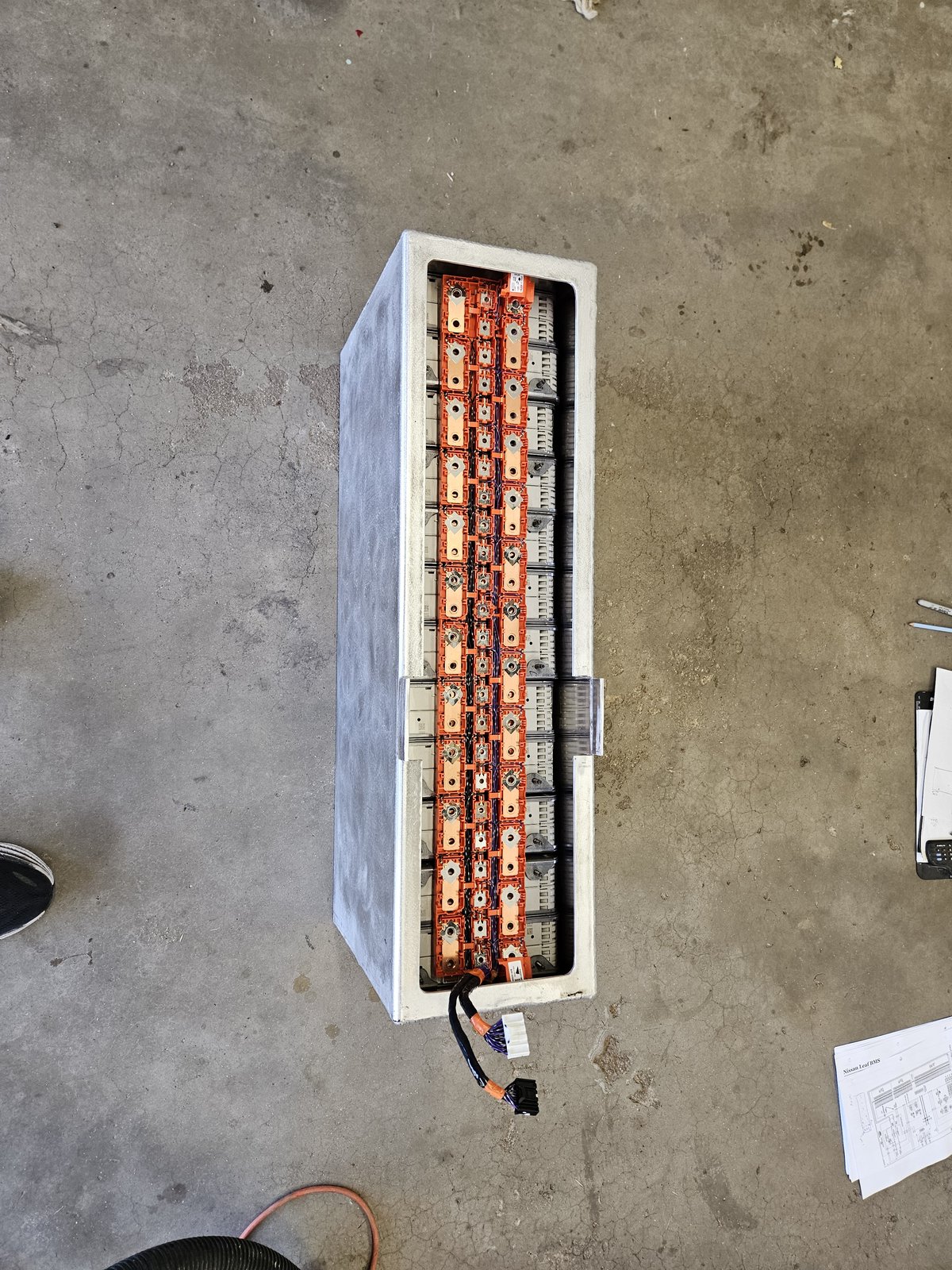
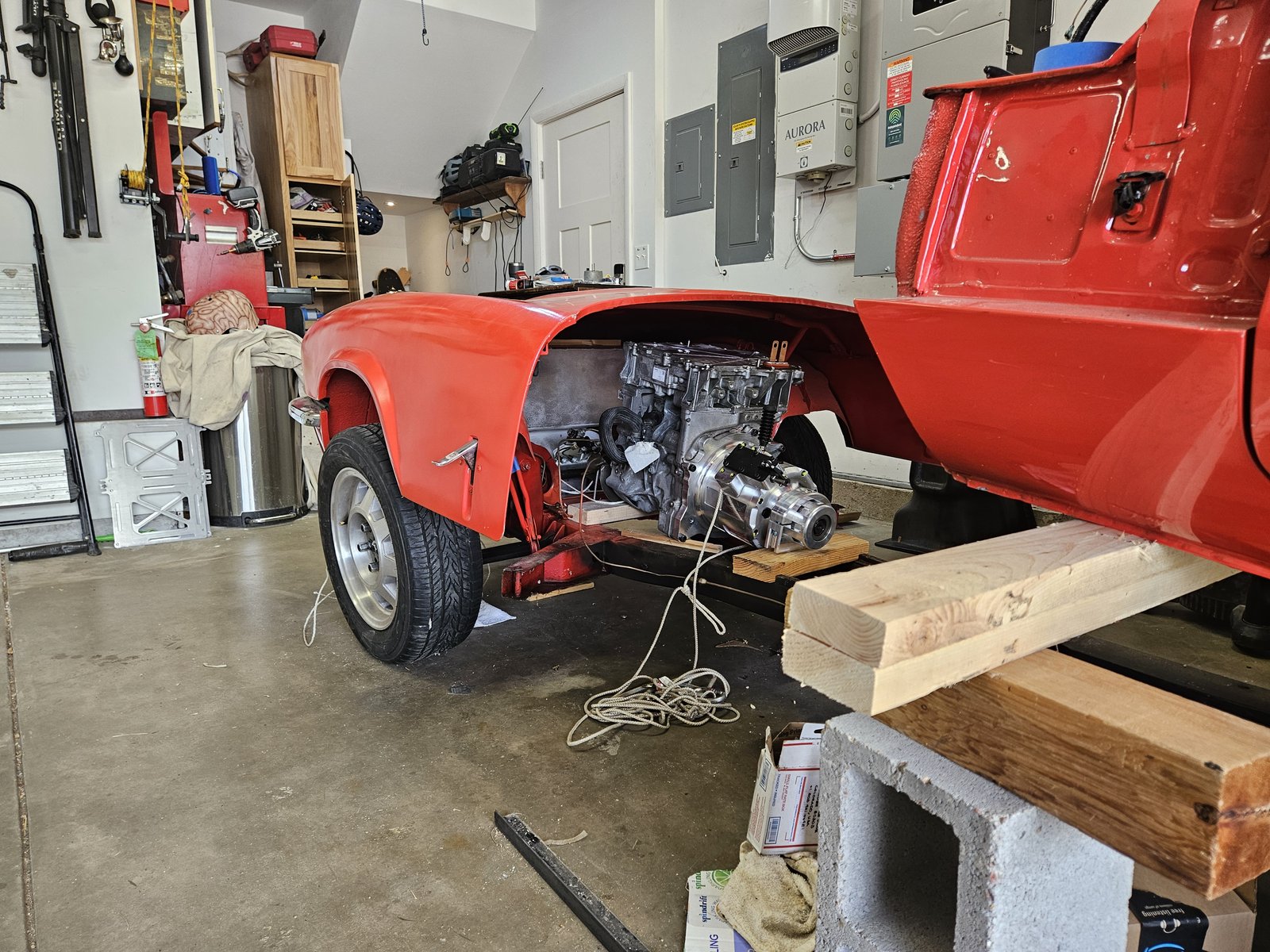
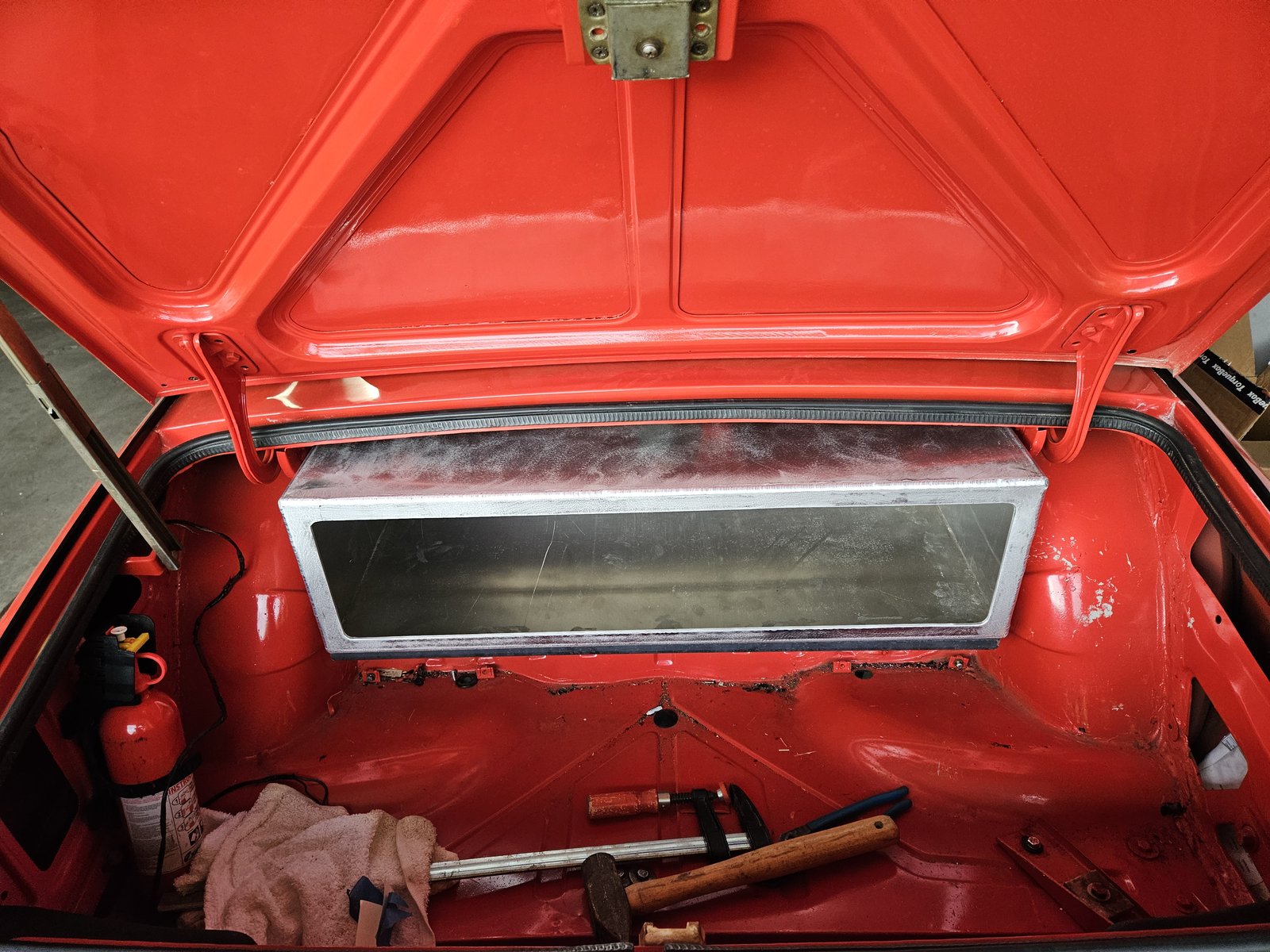
2020 Nissan Leaf S — The Complete Stack
Rather than sourcing individual components, we acquired a wrecked 2020 Nissan Leaf S with the complete drivetrain intact. This approach — known in the conversion community as using the Leaf
ZombieVerter VCU
The Leaf motor and inverter speak their own proprietary language. To make them work outside a Nissan, we’re using the ZombieVerter VCU — an open-source Vehicle Control Unit developed by the OpenInverter community. It translates throttle input, regenerative braking requests, and CAN bus signals into commands the Leaf inverter understands.
Being open-source means every parameter is tunable, from throttle response curves to regen braking strength.

1.9:1 TorqueBox + GT6 Differential
Between the motor and the driveshaft sits a TorqueBox EV reduction gearbox at a 1.9:1 ratio — this multiplies torque and brings the motor’s output shaft speed down to a range the GT6’s 3.63:1 rear differential can work with efficiently.
The effective final drive ratio is approximately 6.9:1. The rear suspension currently runs the original Triumph donut rubber coupling joints, with a future upgrade to CV joints planned.
Performance
The 110 kW Leaf motor delivers more power than the original engine, with instant torque from zero RPM.
Range
The 40 kWh Leaf battery targets 100+ miles of real-world range.
Authenticity
Spitfire body, GT6 bones. It looks like a classic British sports car because it is one.
Handling
GT6 chassis with uprated springs, 3.63 differential, and future CV joint upgrade.
Open Source
ZombieVerter VCU means every control parameter is visible and tunable.
Community
Document everything publicly so other builders can follow the Leaf stack path.